
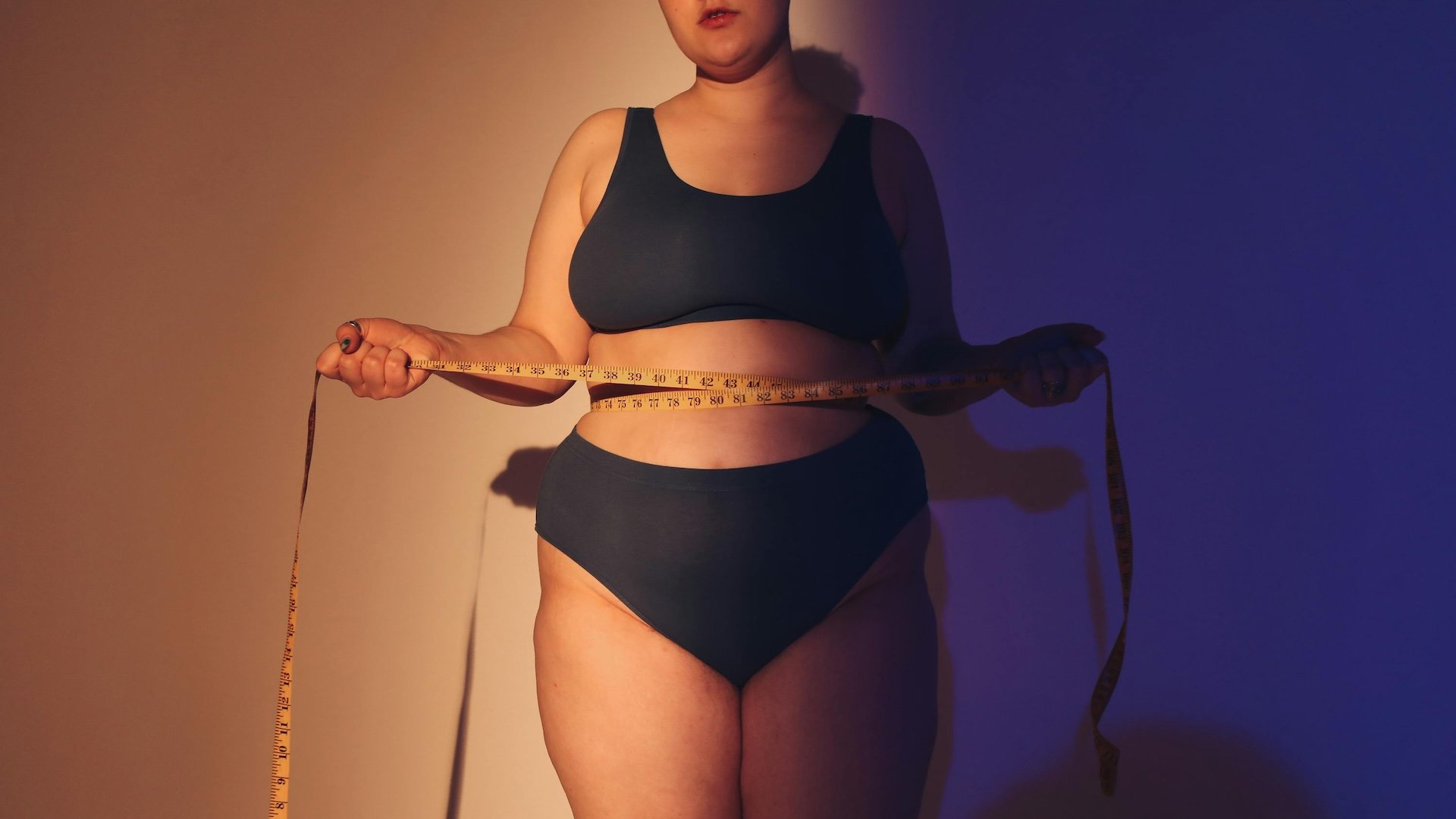
America is trimming the fat—and not just when it comes to business costs, but waistlines.
Ozempic may have entered into popular culture in the last couple years, but in that time, it has shifted bodies and their respective demand for clothing sizes. And retailers are struggling to keep up.
As many as one in eight U.S. adults said they have taken a GLP-1—the class of medication originally intended to treat diabetes or prevent deadly health events for people with heart disease that has now become the hottest fix for fast weight loss. Of that 12 percent, the majority are still taking them to treat chronic conditions, but as many as four in 10 take them primarily for weight loss, according to a KFF poll published in May last year. Currently, around 6 percent of adults in the U.S. are actively using the medication, and that number is expected to rise as FDA approvals broaden how GLP-1s can be used and more insurance providers cover non-diabetic use.
Now, according to a report from Impact Analytics, size curve disruption is retail’s latest margin problem. Size models aren’t keeping pace with the way women are dropping weight today, and it’s costing money at retail.
Between 2022 and 2024, consumer demand for women’s bottoms below size 26 grew by 3 percentage points, demand for men’s bottoms sizes XL and XXL dropped by 3 percentage points, and demand for women’s shapewear above size XL declined by nearly 2 percentage points, the report noted.
Yet, as Impact Analytics outlined, “Most planning still relies on outdated, year-old curves rather than forward-looking size curves. Over 400+ million units of large-size apparel could be misaligned with demand by 2027, translating to approximately $5 billion in misallocated inventory and margin risk.”
If retailers don’t get the planning right, it’s going to mean more returns owed to poor fit, higher markdown exposure, working capital tied up in sizes that won’t sell, and margin erosion that hits the bottom line. Larger and now slower-moving sizes could sit on real and digital shelves, leading to overstocks, and if smaller, more in-demand sizes aren’t available, that stockout is a missed sales opportunity.
“This isn’t about fashion cycles or customer taste,” Impact Analytics said. “It’s about a fundamental consumer shift-and the imperative to rebuild the logic of size planning.”
“This isn’t about fashion cycles or customer taste. It’s about a fundamental consumer shift-and the imperative to rebuild the logic of size planning.”
—Impact Analytics
There are three ways analysts in the report see things playing out in the coming years. One is that GLP-1 usage holds steady as it is today (the study pegged this at 5 percent), resulting in an up to two percentage point decline in demand for sizes large and above, which could mean as much as 285 million fewer units. Alternatively, more people could start using GLP-1s for weight loss, bringing U.S. adoption to 8 percent by 2027 and resulting in as much as a 2.5 percentage point decline in demand for sizes large and above, or up to 360 million units less. If usage holds at 8 percent and the trend toward healthy eating ramps up, demand for those bigger sizes could be 3 percentage points less or a reduction of up to 430 million units.
The shift in demand toward smaller sizes is already clear. Diving further into the data, Impact Analytics said demand for XS/S sizes in women’s tops grew 2 percentage points, while L/XL fell by the same amount. In men’s tops, demand for M/L ticked up nearly 3 percentage points, whole XL/XXL fell 3.5 percentage points.
“Demand is compressing toward smaller sizes at scale,” the report noted, adding that fit-related returns have already started to ramp up in notable ways.
Looking at returns by units, women returned just over 12 percent of bottoms in 2022 compared to 15.2 percent in 2024. In men’s bottoms, nearly 9 percent were returned in 2022 and by last year, that number climbed to 10.2 percent.
“These aren’t quality complaints—they’re signals that inventory doesn’t match evolving bodies,” Impact Analytics said.
So what’s the fix?
As with everything being upended by the rapid evolution of technology and ever-shifting consumer lifestyles, it’s going to be about forgetting the status quo and getting ahead of the changes.
According to Impact Analytics, retailers should be focused on five strategic shifts. For one, size curves should be recalibrated quarterly or twice a year as opposed to static five-year averages. Returns should also be treated as leading KPIs and signals as to when things are shifting. Because GLP-1 adoption varies depending on where people are, size planning should be done by region rather than national average. For now at least, sizes L and XL can no longer be counted on to sell-through and current inventory selections, so depth of buys in those sizes should be reassessed. Lastly, planning metrics should be updated to reflect additional KPIs like “curve drift, size velocity and fit-return ratio.”
AI-supported technologies for things like size forecasting and tracking regional trends in sales and returns will be what supports the effort.
“The shift is already in motion,” Impact Analytics said. “The only question is: will your systems catch up—or fall further behind?”


