
(Bloomberg) — Bargain-hunting consumers across the European Union will start feeling the pinch of higher online shopping costs next week when a new levy primarily targeting China comes into force, adding a layer of trade friction between the two economies.
Starting July 1, a €3 duty will apply on items less than €150 ($172), a move aimed at slowing the flood of low-priced merchandise from outside the EU sold by sites like Shein and Temu.
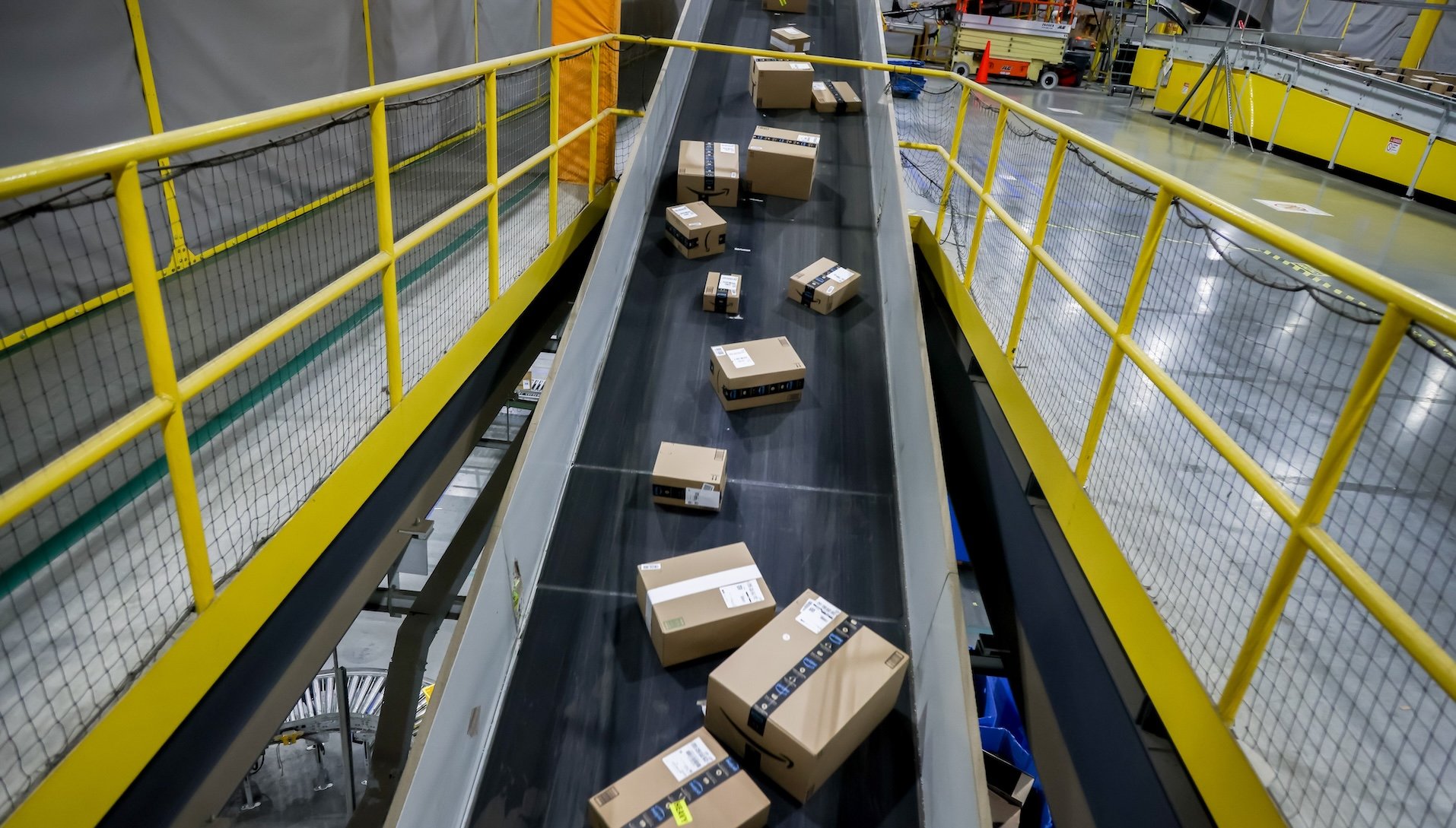
E-commerce imports into the bloc reached nearly 6 billion items last year, and China accounted for about 90% of merchandise under €150, goods like fast fashion, beauty products and electronics.
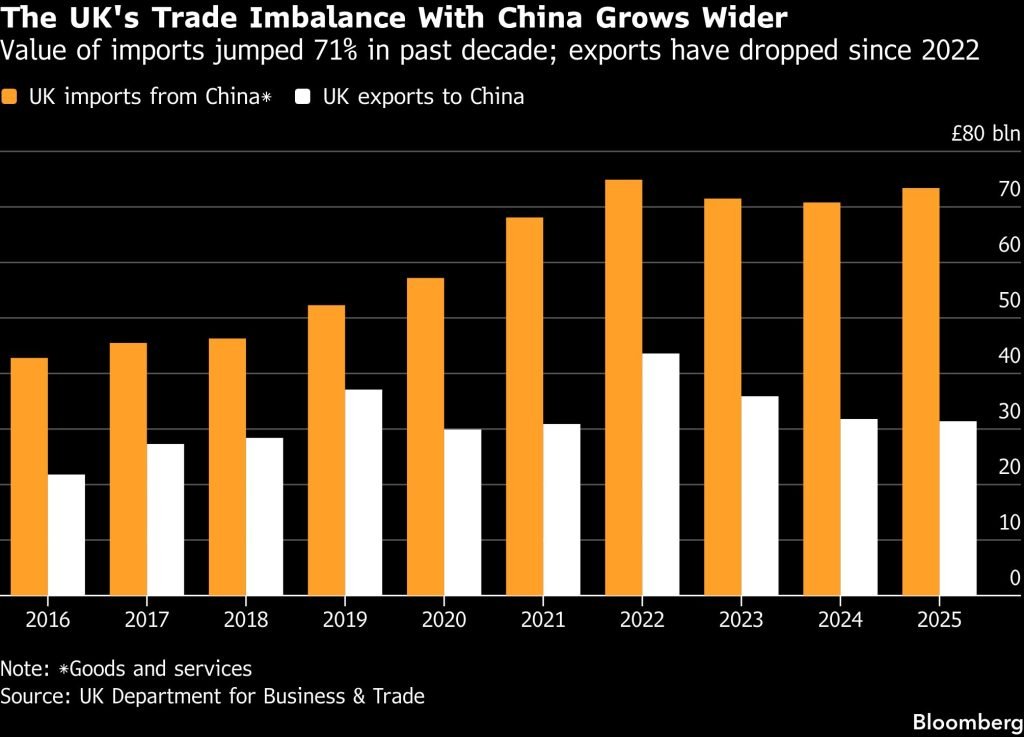
The temporary EU duty in one sense reflects wide-ranging trade anxiety, which stretches from computer chips to rare earths to cars. Huge imports mean the bloc’s trade deficit with China is widening, and governments are worried how their domestic companies big and small can survive against Beijing’s heavily subsidized industries.
The new charge will hit shoppers because the EU is ending its so-called de minimis exemption, a tariff break which borrows a Latin phrase loosely meaning “too small to matter.”
Sellers, parcel carriers or customs brokers will pay the extra levy and pass it on to buyers, and delayed shipments are possible. Delivery giant FedEx Corp., for example, said in an advisory on the new fee that it will “recover the amount from the customer.”
Border agencies allowed the exemption for decades to lighten their administrative load and keep costs low for online shoppers. But the subsequent deluge of cheap imports became a political issue that helped fuel protectionism.

The U.S. last year closed its $800 tariff-free window, citing shipments that surged to 1.4 billion in 2024. That shift caused temporary disruptions.
The EU says its move isn’t about protectionism but about a level playing field and better product safety.
“This has created an unfair competition that traditional retailers cannot compete with,” the European Commission, the EU’s executive body, said this month.
The change adds another layer of bureaucracy for customs compliance managers that have already weathered trade upheavals ranging from Brexit to U.S. President Donald Trump’s global tariffs.
The EU’s fee is collected on an individual item based on its product code. So a parcel with three t-shirts declared under the same tariff code would pay a €3 duty. A package with a t-shirt and a book would require €6. A shipment of three items listed with the same code but from three different countries, however, gets tagged for €9.
Added Complexity
“It’s going to make it more complex,” Mike Parra, head of DHL Express Europe, said in an interview. “You could have an initial wave of business that stops because you have a customer that, at the point of checkout, says, ‘forget it, I’m not buying it, I don’t want to pay the extra €3, €6, €9.’”
As part of modernization of the EU’s customs regime for e-commerce unfolding through 2028, an additional handling fee is set to take effect in November, which DHL estimates will be about €2 per shipment.
All the changes may lead to slower deliveries to buyers, given customs reporting differences and as cargo shifts from express services to bulk consignments along more cumbersome, cheaper modes of transport, Parra said.
According to UK-based courier company Parcelhero, some cargo carriers are warning of supply chain bottlenecks in the initial implementation of the new levy.
Companies outside the EU are worried about not just the fees but the added compliance and a potential drop in demand in a market with some 450 million consumers.
While the new protocols are ostensibly aimed at sites like Temu and Shein, “the solution captures everybody,” said Marco Forgione, director general of the UK’s Chartered Institute of Export & International Trade.
Governments “get a windfall of additional money,” he said. “The losers are going to be small businesses who are trading into the EU and anyone moving goods directly to the consumer through the fast parcel system into the EU.”
UK businesses feel exposed because the British government wasn’t planning on phasing out its duty-free threshold of £135 ($179) until 2029. After hearing the outcry, though, the government announced on Tuesday it would accelerate the shift by six months to October 2028.
Andrew Goodacre, head of the British Independent Retailers Association, said there are about 1 billion items coming into the UK each year under the “low-value imports” allowance. That makes it hard for high-street stores to compete, given rising rents, energy bills and payroll costs, he said.
“The longer we leave the floodgates open, the bigger the damage will be,” Goodacre said.
That’s the reality facing John Jones, managing partner with Philip Morris & Son, which operates a small department store in Hereford, England, and a website that sells everything from Barbour tote bags to duck calls for hunters.
Before Britain left the EU in 2020, about 10% to 15% of Jones’ business was international. After Brexit, that fell to 5%. His online sales to the US have all but dried up since Trump imposed import taxes on goods from most trading partners.
Now Jones is worried about what happens after July 1 and whether a customer base in the EU will disappear, too.
“Our high street is being eroded day by day,” Jones said. Add in competition from abroad and new duties, and his business is in “the worst of both worlds,” he said.
–With assistance from Jorge Valero and Stuart Biggs.
(Adds UK announcement in 20th paragraph)
More stories like this are available on bloomberg.com


